|
Characteristics:
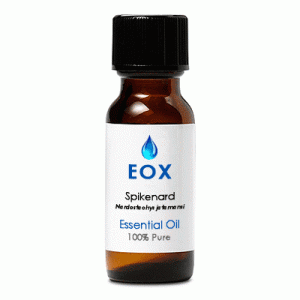
A pale yellow or amber-colored liquid with a heavy, sweet-woody, spicy-animal odor, somewhat similar to
valerian oil. It blends well with labdanum, lavender, oakmoss, patchouli, pine needle, vetiver and spice oils.
Principal Constituents: These are naturally occuring in the essential oil.
- bornyl acetate
- isobornyl valerianate
- borneol
- patchouli alcohol
- terpinyl valerianate
- terpineol
- eugenol
- pinenes
General Actions:
Open Symbols Key
Antipyretic, deodorant, fungicidal, laxative, sedative, tonic.
Safety:
Insufficient data. Assumed to be similar to valerian root: i.e., non-toxic, non-irritant, nonsensitizing.
Primary Therapy Agent:
No specific primary therapies. Used as a traditional Biblical oil for annointing purposes.
Secondary Therapy Agent:
Allergies, irritated and inflamed skin, rashes, scars and stretch marks, wrinkles, mature skin.
Important Note: The information on Florapathics.com is
only provided for educational purposes, and further research should be done on each essential oil to be assured
of its proper usage for each individual. Aromatherapy is not meant to be a replacement for care under a qualified
health professional, but should be considered a complimentary modality.
|